

Office location not published
Service area: “We provide independent mold testing and asbestos testing for homeowners, real estate transactions, and insurance claims throughout Denver.”
Published service area ↗Compare curated mold inspectors, check certifications, read reviews, and request quotes — all in one place.
Map shows providers with a known office location. All providers are listed below.
No providers match this filter.
Providers with an office in the Denver area, matched by the ZIP code of their published address.
Based outside the Denver area, with Denver named in the service area on their own website.
Office location not published
Service area: “We provide independent mold testing and asbestos testing for homeowners, real estate transactions, and insurance claims throughout Denver.”
Published service area ↗Office location not published
Service area: “Proudly Serving the entire Front Range & Denver Metro area for more than 18 years!”
Published service area ↗Office location not published
Service area: “Serving the Denver, CO area”
Published service area ↗Also in Colorado: Boulder area (1), High Rockies area (1)
Need help choosing? Get matched with top providers in seconds.
0 providers selected
Are you a mold inspector in Denver? Already listed here: Pure Maintenance of Colorado, LLC, A Healthy Home, LLC, Abbotts Cleanup & Restoration and 12 more.
List your businessView curated providers, check certifications, and read real client reviews.
Select up to 5 providers and send your project details. Free, no obligation.
Compare quotes, check availability, and book directly with the provider.
Finding a qualified mold inspector in Denver feels like it should be straightforward — but it’s not. You’re either buying a home and the inspection contingency is ticking down, or you’ve got a water leak and nobody wants to admit how bad it might be. The problem: anyone can call themselves a mold inspector in Colorado. No state licensure requirement. No unified standard. You end up with a mixed bag of competent professionals, overconfident handymen with a moisture meter, and companies that profit more from recommending unnecessary remediation than from honest assessment.
This directory cuts through that noise. Below are credentialed inspectors operating in Denver — people who’ve invested in real certifications (CMI, ACAC CMC, ACAC CMRS, CIEC, IAC2) and who do the work methodically: visual inspection, moisture mapping, air and surface sampling sent to third-party labs. No guessing. No sales pitch masquerading as science.
Look for a specific credential. The heavy hitters carry CMI (Certified Mold Inspector), ACAC CMC (Council-certified Microbial Consultant), or ACAC CMRS (Council-certified Microbial Remediation Supervisor). These aren’t participation trophies. They require real training and recertification. If someone’s website doesn’t mention credentials, assume they don’t have them — and move on.
Hire someone who doesn’t do remediation. This is the biggest conflict of interest in the industry. An inspector who also sells you remediation work has a financial incentive to find mold, whether it’s significant or not. Best practice: hire an inspector for assessment, then get a separate remediation bid if the report recommends it. Some Denver inspectors do both, but ask about how they structure the work to avoid bias.
Request both visual and lab work. A thorough inspection includes moisture mapping and air/surface sampling. If someone quotes you at $200 and it’s just a walkthrough with no sampling, that’s a cut-rate assessment. Expect $300–$800 depending on the home’s size and complexity. Denver’s older housing stock (pre-1980s construction, flat roofs) means more moisture exposure — your inspector should account for that in their methodology.
Ask about turnaround on lab results. Most third-party labs turn samples around in 5–7 business days. A professional inspector will give you a realistic timeline upfront and follow up on results without prompting. If they’re vague about timing or results, flag it.
Pro Tip: Colorado’s Front Range air is dry, which slows mold growth — but Denver’s elevation (5,280 ft) and temperature swings create condensation problems in poorly insulated attics and basements. Ask your inspector if they have local experience with moisture issues specific to Denver’s climate. Regional expertise matters.
A full mold inspection typically runs $300–$800 depending on the home’s size and whether air quality sampling is included. The process: initial walkthrough with moisture mapping, identification of areas of concern, samples collected and sent to a lab, written report within 7–10 business days that identifies mold species (if present), extent, likely source, and remediation recommendations.
Reality Check: You might be quoted low ($150–$200) by someone without credentials or real lab capability. These are shortcuts. Low-ball pricing often means no lab work, no detailed moisture assessment, and a report that reads like a template. It feels good in the moment but leaves you without actual data if a problem exists. Budget for the real thing.
Denver’s real estate market moves fast — inspection contingencies typically close in 10–14 days. You need someone who can turn around a full assessment and report in that window without cutting corners. The city’s older neighborhoods (Capitol Hill, Highlands, Washington Park) and older commercial buildings are your highest-risk areas for moisture and mold. Spring snowmelt and roof leak season run March through May — book early if you suspect water damage.
Find a credentialed inspector below who fits your timeline and your case.
Mold Inspector services in Denver typically run $200-800 per inspection, depending on scope, complexity, and turnaround requirements. Expedited work and specialized equipment add cost.
Look for CMI — it's the credential that separates qualified mold inspectors from the rest. Also verify insurance, check reviews, and confirm they can handle your project's specific requirements.
There are currently 15 mold inspectors listed in Denver, CO on MoldRegistry.
Sponsored providers pay for more prominent placement on pages where they already qualify to appear. Payment does not change a provider's location, credentials or reviews, and it is not an endorsement. All providers on MoldRegistry — sponsored or not — are real businesses.
Find certified, independent mold inspectors: what to expect, how much to pay ($300–$700), and red flags to avoid before hiring.
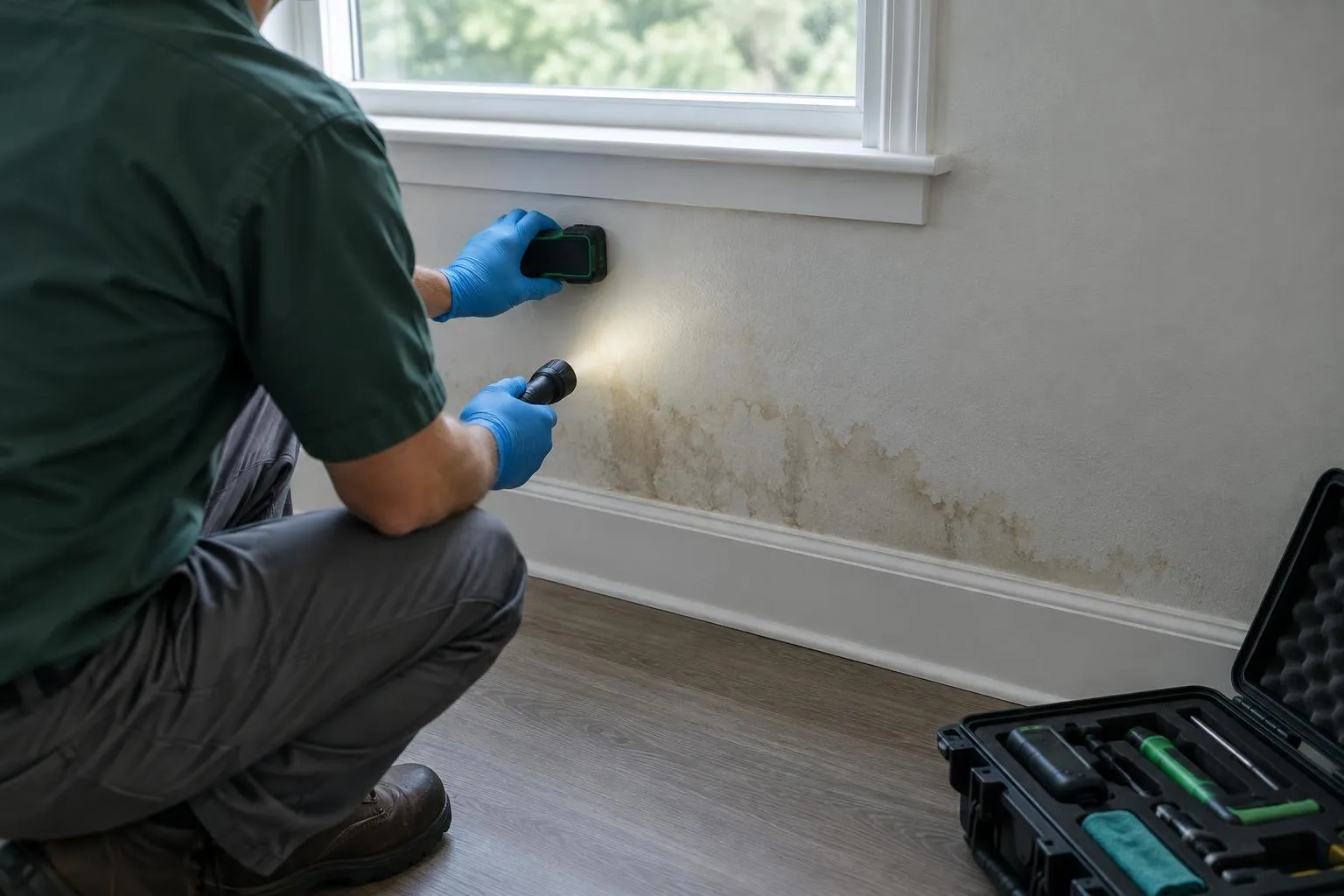
Hiring a freelance mold inspector saves thousands by avoiding inflated assessments. Learn why independence matters more than convenience.
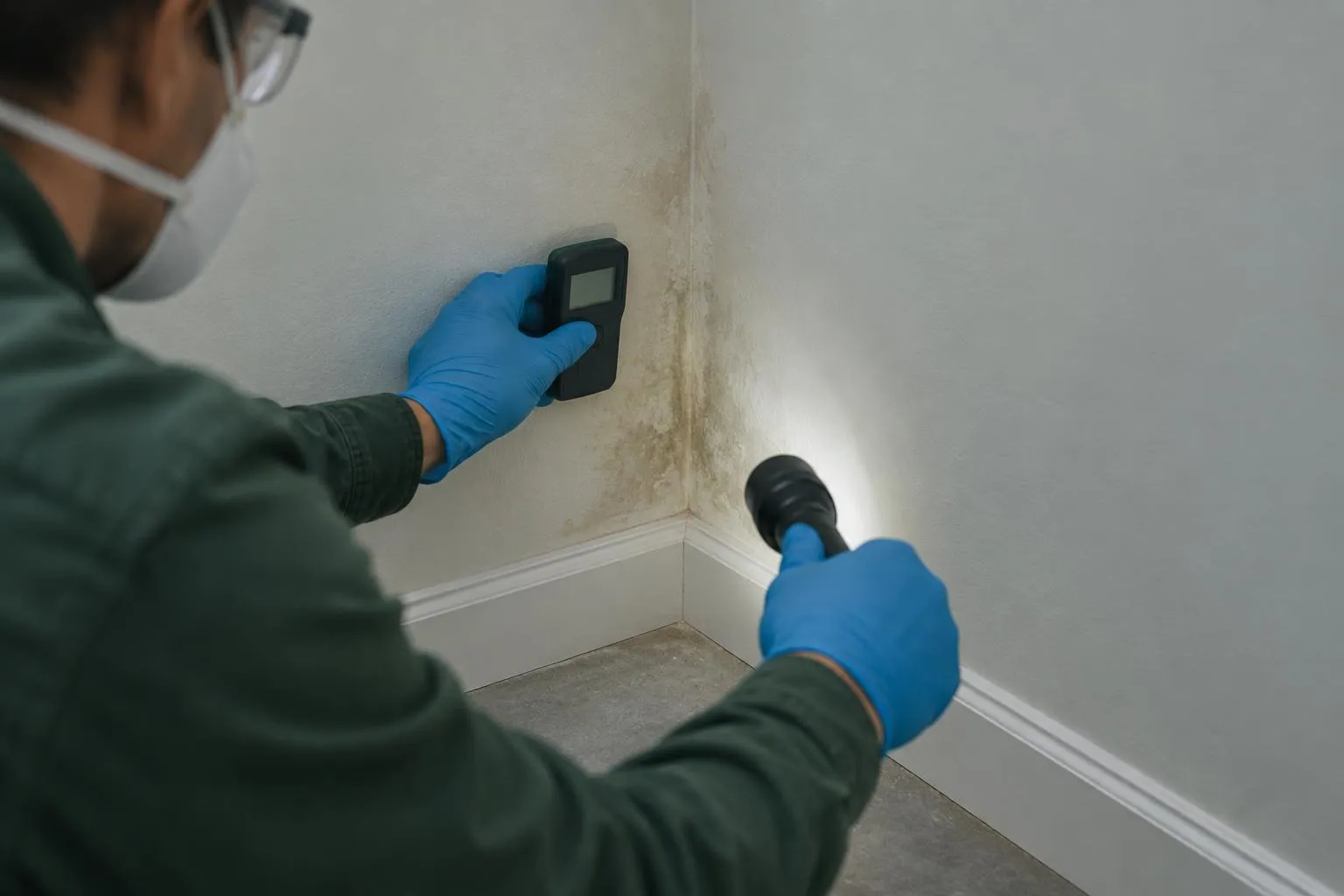
Avoid the $180k mistake: 7 red flags when hiring a mold inspector and how to spot conflicts of interest that inflate costs.
Looking for more? Browse our full resource library or find mold inspectors in other cities.