

Office location not published
Service area: “Dru Gordon, certified by MICRO as a Mold Inspector (#83697), provides thorough mold inspections and indoor air quality tests across the Kansas City area.”
Published service area ↗Compare curated mold inspectors, check certifications, read reviews, and request quotes — all in one place.
Map shows providers with a known office location. All providers are listed below.
No providers match this filter.
Providers with an office in the Kansas City area, matched by the ZIP code of their published address.
Based outside the Kansas City area, with Kansas City named in the service area on their own website.
Office location not published
Service area: “Dru Gordon, certified by MICRO as a Mold Inspector (#83697), provides thorough mold inspections and indoor air quality tests across the Kansas City area.”
Published service area ↗Office location not published
Service area: “Phoenix Renovation & Restoration specializes in professional mold remediation and cleanup services in Kansas City, MO.”
Published service area ↗Office location not published
Service area: “Mold Inspections and Testing in Kansas City”
Published service area ↗Also in Missouri: Springfield area (4), St Louis area (3), Joplin area (1)
Need help choosing? Get matched with top providers in seconds.
0 providers selected
Are you a mold inspector in Kansas City? Already listed here: KC Mold Guys, Axiom Service Professionals, B & R Insulation, Inc. and 10 more.
List your businessView curated providers, check certifications, and read real client reviews.
Select up to 5 providers and send your project details. Free, no obligation.
Compare quotes, check availability, and book directly with the provider.
Finding a qualified mold inspector in Kansas City shouldn’t require a detective’s license. You’ve got a water stain in the basement, a musty smell in the master bedroom, or you’re three days away from closing on a house and someone whispered the word “mold” during the walk-through — and suddenly you’re Googling frantically at 11 PM, trying to figure out who’s actually credentialed versus who just watched a YouTube video and bought a moisture meter. This directory cuts through that noise. Below are the vetted professionals in the Kansas City market, plus exactly what to ask for and what to expect to pay.
Verify credentials first. CMI (Certified Mold Inspector) through IICRC or ACAC CMC/CMRS certifications aren’t optional — they’re the baseline. If they can’t name their cert and who issued it, move on. Kansas City’s humid summers and aging housing stock (a lot of pre-1970s brick and plaster) mean inspectors need hands-on experience with moisture migration in older structures, not just new construction.
Ask whether they do sampling. Visual inspection alone is incomplete. A legit inspector will perform moisture mapping (thermal imaging or moisture meters to find wet drywall you can’t see) and collect air/surface samples sent to a third-party lab. If they’re quoting you $200 and not mentioning samples, they’re doing half the job.
Don’t hire the same company to remediate. This is the biggest conflict of interest in the industry. The inspector who identifies the problem shouldn’t be the one selling you the fix — financial incentives skew the scope and the price. Get your inspection report independently, then get 2-3 remediation bids.
Expect them to ask detailed questions. When water got into the wall, when did it happen? Have people been sick? Is there visible mold or just the smell? A thorough inspector will spend 20-30 minutes on the phone before even scheduling a site visit. If they’re vague or eager to book you sight unseen, that’s a red flag.
Pro Tip: Ask for references from recent clients in the Kansas City area who had similar issues (basement moisture, roof leaks, HVAC concerns). They’ll tell you whether the report was actionable and whether the inspector actually explained the findings or left them confused.
A standard mold inspection runs $300–$800 depending on the home’s size, the scope (sampling vs. visual only), and whether moisture mapping is included. Smaller investigations — a single room or a targeted post-leak follow-up — run closer to $200–$400. The inspector should deliver a written report within 3–5 business days, including photos, lab results (if samples were sent), a species identification, the extent of growth, the likely source (plumbing, roof, HVAC condensation, etc.), and remediation recommendations.
Reality Check: If you’re seeing quotes under $150, they’re either skipping sampling or they’re not factoring in lab costs. If you’re seeing quotes over $1,200 for a standard 3-bedroom house, they’re either including remediation work (which should be separate) or padding the scope. Get at least two quotes and compare scope-to-scope.
Kansas City’s mix of older residential neighborhoods, frequent spring storms, and basement-heavy construction creates consistent demand for mold services — which also means the market has attracted both genuinely skilled professionals and people with a weekend certification. The Missouri Department of Health and Senior Services doesn’t license mold inspectors at the state level, so your vetting matters more than it does in regulated states. A 2020 USGS study flagged the Kansas City metropolitan area for above-average residential moisture intrusion claims, which means water damage is common and inspectors here deal with real complexity.
Use this directory to find someone credentialed, ask the four questions above, and insist on a scope that includes sampling and a written report. You’ll save yourself the midnight research spiral and get a professional who actually knows your market.
Mold Inspector services in Kansas City typically run $200-800 per inspection, depending on scope, complexity, and turnaround requirements. Expedited work and specialized equipment add cost.
Look for CMI — it's the credential that separates qualified mold inspectors from the rest. Also verify insurance, check reviews, and confirm they can handle your project's specific requirements.
There are currently 13 mold inspectors listed in Kansas City, MO on MoldRegistry.
Sponsored providers pay for more prominent placement on pages where they already qualify to appear. Payment does not change a provider's location, credentials or reviews, and it is not an endorsement. All providers on MoldRegistry — sponsored or not — are real businesses.
Find certified, independent mold inspectors: what to expect, how much to pay ($300–$700), and red flags to avoid before hiring.
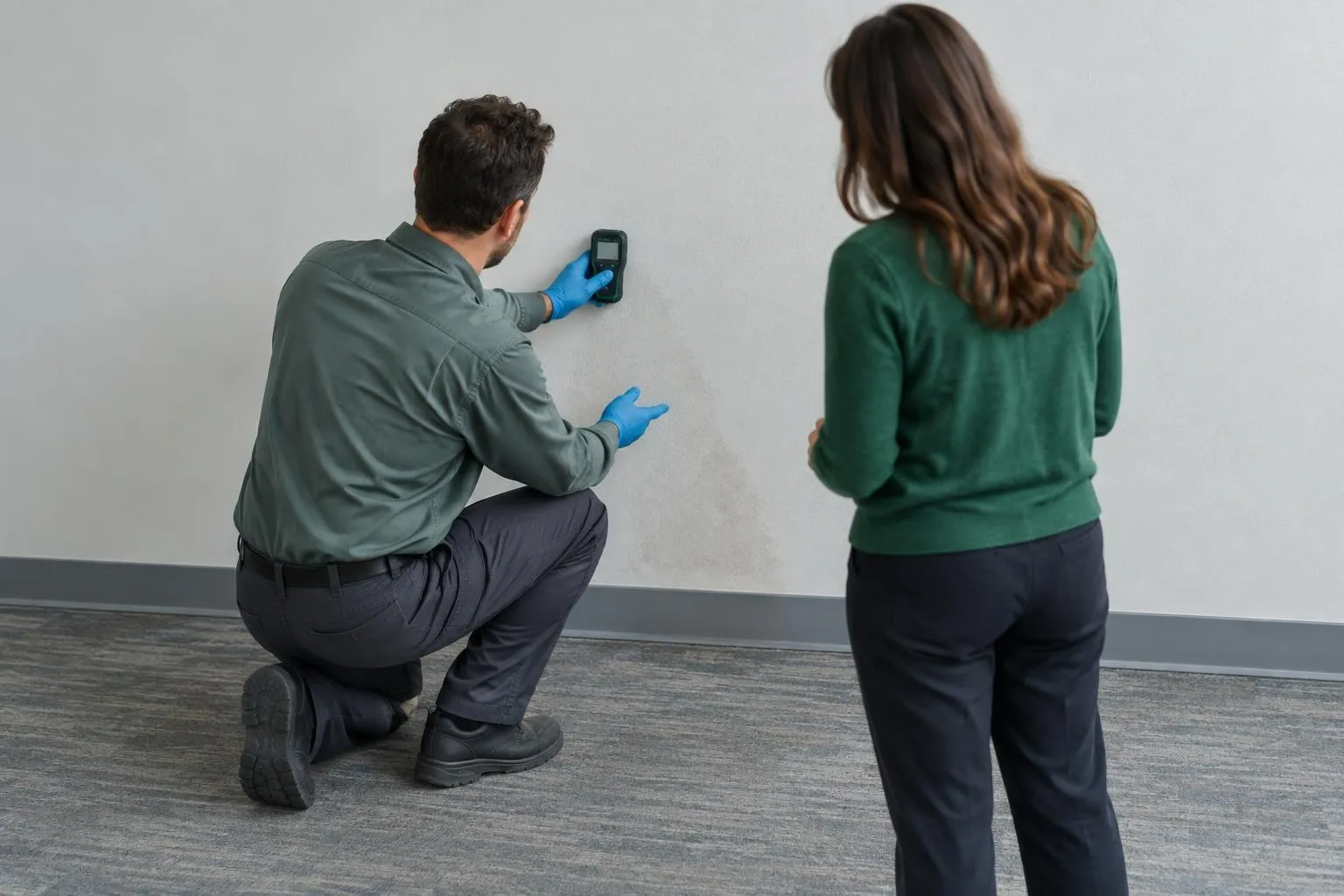
Most states don't license mold inspectors. Learn what separates qualified experts from weekend-certified amateurs before hiring.
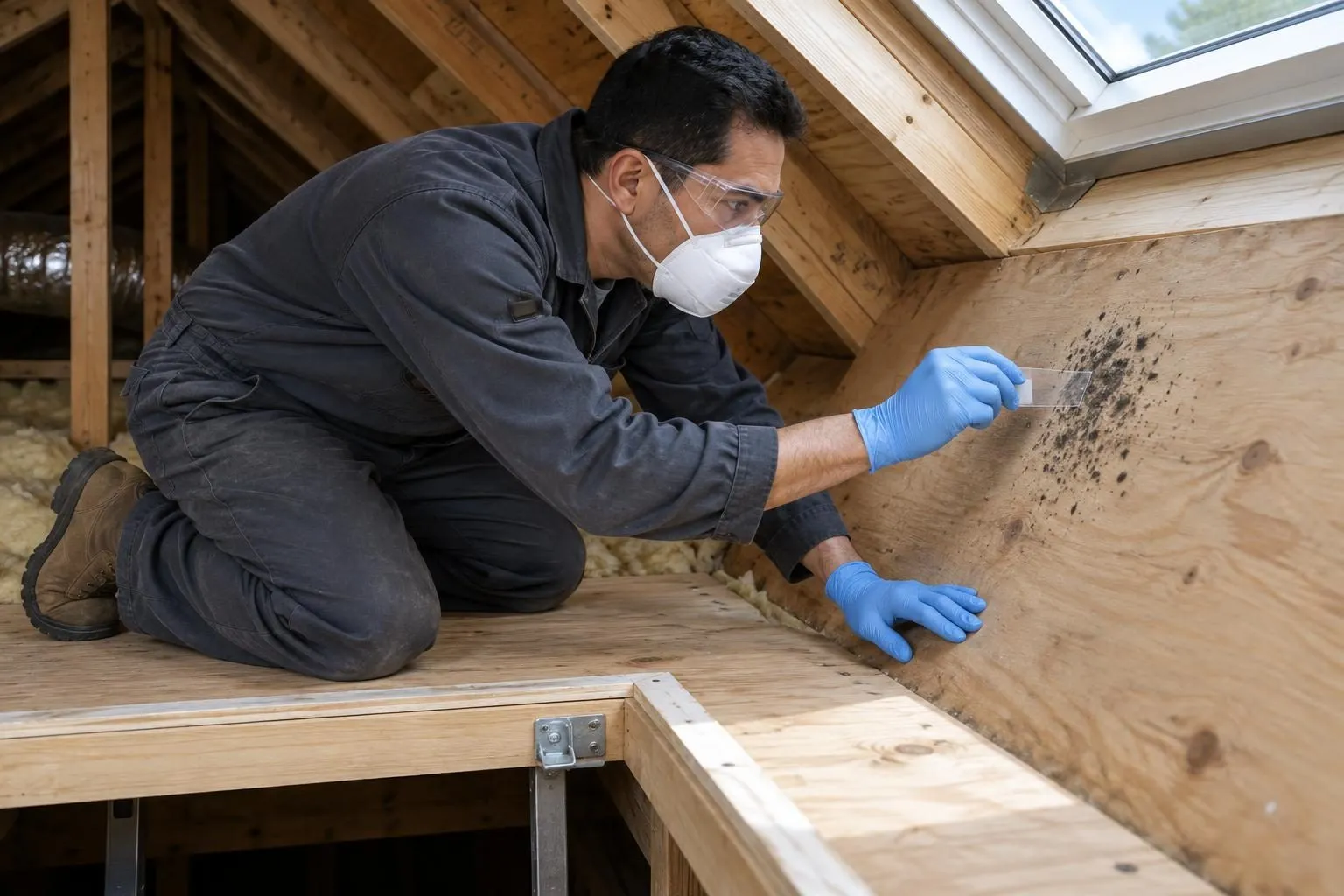
Cheap mold inspectors miss hidden growth and cost you $10,000+ later. See why professionals save money upfront and protect your home.
Looking for more? Browse our full resource library or find mold inspectors in other cities.