Get free quotes from mold inspection near you
Takes about a minute. Free, no obligation; providers reply to you directly.
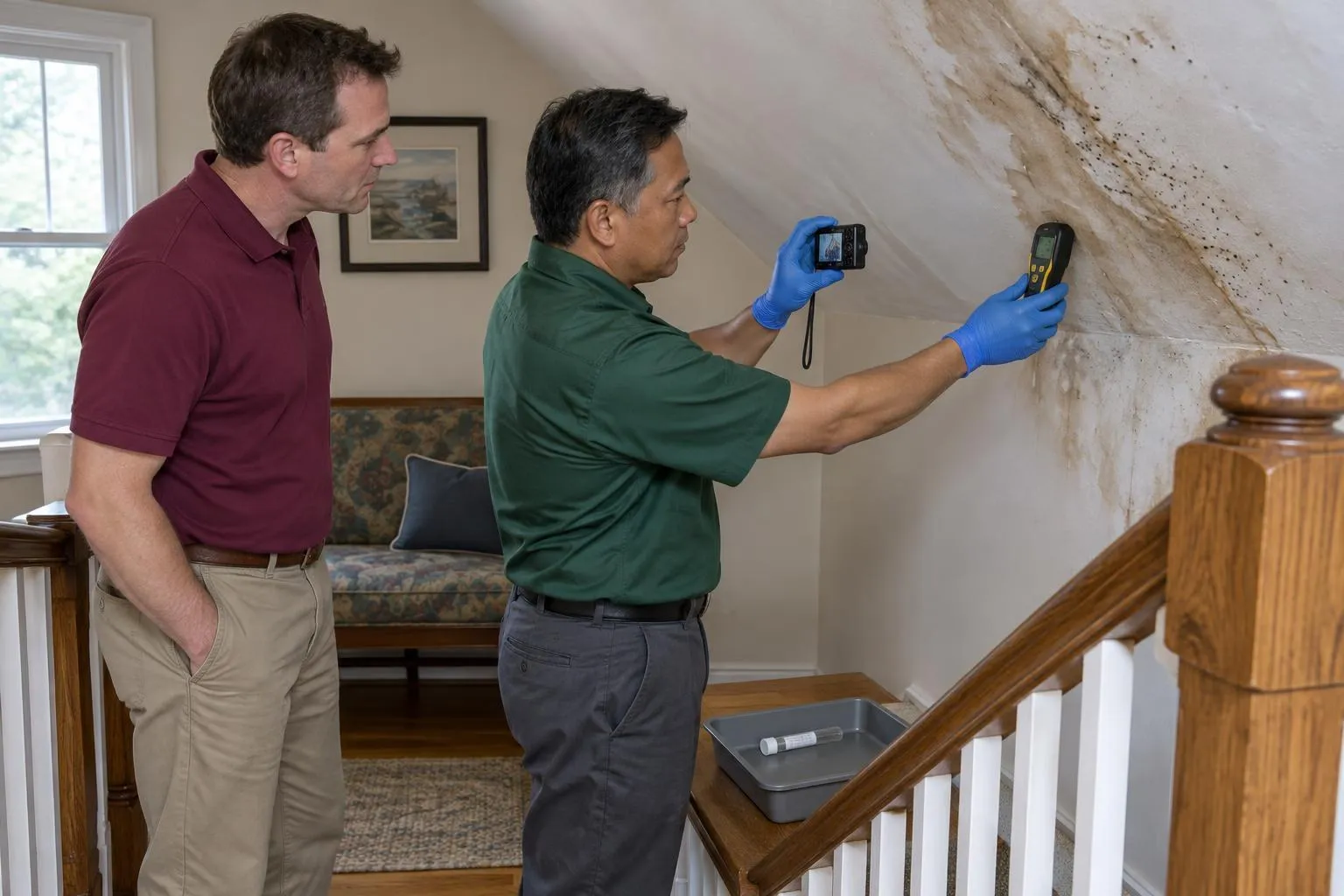
I watched a mold inspector pull up to a water-damaged home in Los Angeles wearing a wrinkled polo shirt and driving a 2012 Honda Civic, and I immediately thought: this person is either terrible at their job or the job doesn’t pay what I think it pays. Turns out, both can be true.
The mold inspection industry is weird. It sits in this liminal space between home inspection, environmental consulting, and skilled trades—which means compensation is all over the map. Some inspectors are pulling in six figures through commissions. Others are barely scraping $40k. And if you’re trying to figure out fair pricing or whether this career move makes sense, the noise out there is deafening.
I spent the last few weeks pulling salary data from Comparably, PayScale, Glassdoor, ZipRecruiter, and actual job postings. Here’s what the numbers actually say.
The Short Version:Mold inspectors in the U.S. average $38,039–$66,864 annually, depending on the source. That’s $18–$47/hour on the low end, or up to $99k if you stack bonuses, commissions, and profit sharing. California beats the national average by 18–19%, with Los Angeles inspectors earning $39k–$50k. The wild card? Commissions can run as high as $259k for top performers.
Key Takeaways
- National average salary is $38k–$67k annually—but the spread is massive ($19k–$156k) due to experience, location, and pay structure
- Hourly rates range $18–$47/hour, with top earners pushing $46.81/hour before bonuses
- California and Los Angeles command 18–43% premiums over national averages, but cost of living eats into real gains
- Commission and bonus structures can double or triple base pay—turning a $37k salary into $99k+ with the right employer
The National Baseline: What Mold Inspectors Actually Earn
Here’s the honest part: there’s no single “right” answer because different data sources measure different things.
Comparably reports a national average of $38,039 annually. This is based on employee submissions across the country, and it captures a wide range—from $19,151 on the low end to $156,309 on the high end. That $156k outlier? Mostly commissions and bonuses for top earners at high-volume firms.
Glassdoor is significantly higher at $66,864 per year. This reflects more recent salary submissions and may skew toward established, better-paying firms.
PayScale’s hourly data gives us another lens: the national median is $28.34/hour, with the 10th percentile at $18.32 and the 90th percentile at $46.81. That’s roughly $38,000–$97,000 annually if you work a standard 2,000-hour year.
Here’s what most career guides won’t tell you: the difference between $38k and $67k often comes down to employer, not skill. A mold inspector working for a larger firm with referral networks and commission structures will vastly outearning someone at a small local shop.
Reality Check:A real employer (Mold Test Company, based on Indeed postings) lists an average salary of $37,500—roughly 42% below the national average. But they also offer commissions up to $259k and profit sharing up to $14k. The base is low; the ceiling is high. It’s a commission game.
Regional Breakdown: Location Changes Everything
Your zip code matters more than your credentials.
California leads the pack. Mold inspectors in California average $45,142 annually ($22/hour), with salaries ranging from $41,199 to $54,258. That’s roughly 19% above the national Comparably average. But before you pack your bags: California’s cost of living is also 50% higher than the national median, which means that “raise” mostly evaporates.
Los Angeles shows the urban premium. According to ZipRecruiter (as of April 2026), LA mold inspectors earn $39,171 annually. But Comparably reports a wider range for the same market: $49,800 annually ($30,316–$103,645). The discrepancy? One platform emphasizes base salary; the other includes bonuses and commissions in recent postings.
Here’s the pattern: coastal markets and states with strict building codes (California, New York, Massachusetts) push salaries higher because there’s more demand, more regulation, and more homeowners with money to spend on inspections.
| Region | Annual Salary | Hourly Rate | Range | Notes |
|---|---|---|---|---|
| National Average | $38,039–$66,864 | $18–$47 | $19k–$156k | Wide variance; commissions inflate top end |
| California | $45,142 | $22/hour | $41,199–$54,258 | 19% above national; high cost of living |
| Los Angeles, CA | $39,171–$49,800 | ~$20–$25 | $30,316–$103,645 | Urban premium; Comparably vs. ZipRecruiter variance |
The Pay Structure Reality: Base + Bonus + Commission
Most mold inspection shops don’t pay a straight salary. Here’s what the actual compensation looks like:
Base salary: $37,500–$45,000 annually for mid-market employers Bonuses: $488–$8,000 (tied to inspections completed, client satisfaction, or monthly targets) Profit sharing: $212–$14,000 (typically quarterly or annual) Commissions: $893–$259,000 (the outlier—usually tied to referral networks, remediation sales, or additional services like air quality testing)
When you stack all of these, total compensation can reach $39,000–$99,000 annually, even in firms with modest base salaries.
The practical implication: if you’re evaluating a job offer with a $37k base, don’t walk away immediately. Ask about commission potential and bonus structure. At the right firm, that $37k could hit $70k–$80k with performance.
Pro Tip:Commissions vary wildly based on whether the company offers ancillary services (HVAC testing, air quality analysis, remediation referrals). Shops that bundle inspections with paid remediation advice or partner with contractors often commission rates to 20–30% of the service revenue they generate.
Experience Matters, But Geography Matters More
Junior mold inspectors (0–2 years) typically start around $28,000–$32,000. Experienced inspectors with credentials (Certified Mold Inspector, ACAC CMC/CMRS certifications) push toward $45,000–$55,000 base. But here’s the kicker: a junior inspector in Los Angeles will likely earn more than an experienced inspector in rural Kansas, even before commissions.
The reason: volume and demand. Urban markets have more water intrusions (plumbing issues in older buildings, roof leaks in dense neighborhoods, flooding from storms). More inspections = more earning potential.
What Clients Should Know About Fair Pricing
If you’re hiring a mold inspector and wondering whether $400 for an inspection is reasonable, here’s the math:
A mold inspector earning $45,000 annually (roughly $22/hour fully loaded with benefits) needs to bill out at $100–$150/hour just to keep the lights on after overhead, liability insurance, lab fees, and equipment. A 3-hour inspection at $400 = $133/hour. That’s market rate.
Pricing below $300 often signals either experience deficits or volume-based compensation (they’re making money through commission, not the inspection fee). Neither is inherently bad, but you should know what model you’re paying for.
Practical Bottom Line
If you’re considering becoming a mold inspector: The baseline salary is modest ($38k–$45k), but the commission potential is real. Target firms with strong remediation referral networks or additional service offerings. Relocate to a coastal market or major metro if you can—the salary bump is worth it. Get credentialed (CMI or ACAC certifications); they correlate with higher earnings.
If you’re hiring a mold inspector: Expect to pay $300–$500 for a basic inspection, more if air sampling or moisture mapping is included. Lower prices often mean the inspector is volume-dependent, which isn’t always a bad thing, but understand the tradeoff.
If you’re already in the field and want to earn more: Commissions are where the real money is. Look for employers who partner with remediation contractors or offer paid follow-up consulting. A single high-dollar remediation referral can add thousands to your annual earnings.
For more on how mold inspectors work and what they actually look for during an inspection, read our complete guide to mold inspectors. And if you’re location-specific, check our city pages for regional salary breakdowns and local hiring trends.
Done reading? Get quotes from mold inspectors near you.
Takes about a minute. Free, no obligation; providers reply to you directly.
Popular cities:
Nick built this directory to help homeowners find credentialed mold inspectors without wading through contractors who mostly want to sell remediation — a conflict of interest he ran into when trying to assess his own home after a plumbing leak.