

Office location not published
Service area: “Our team serves the Atlanta and the surrounding areas of Georgia.”
Published service area ↗Compare curated mold inspectors, check certifications, read reviews, and request quotes — all in one place.
Map shows providers with a known office location. All providers are listed below.
No providers match this filter.
Providers with an office in the Atlanta area, matched by the ZIP code of their published address.
Based outside the Atlanta area, with Atlanta named in the service area on their own website.
Office location not published
Service area: “Our team serves the Atlanta and the surrounding areas of Georgia.”
Published service area ↗Also in Georgia: Augusta area (2), Athens area (1), Columbus area (1), Savannah / Hinesville area (1), Valdosta area (1)
Need help choosing? Get matched with top providers in seconds.
0 providers selected
Are you a mold inspector in Atlanta? Already listed here: Atlanta Health and Safety, LLC, Atlanta Mold & Environmental Testing, Atlanta Mold Testing and 16 more.
List your businessView curated providers, check certifications, and read real client reviews.
Select up to 5 providers and send your project details. Free, no obligation.
Compare quotes, check availability, and book directly with the provider.
Finding a qualified mold inspector in Atlanta is harder than it should be. The city’s humid subtropical climate means water intrusion, mold growth, and indoor air quality issues are endemic — not exceptional — yet most homeowners don’t know the difference between a handyman with a flashlight and a credentialed professional who can actually tell you what’s growing in your walls and why. This directory exists so you don’t waste time vetting someone’s cousin’s roommate.
Verify credentials before booking. Look for CMI (Certified Mold Inspector), ACAC CMC (Council-certified Microbial Consultant), or IAC2 Indoor Air Quality certification. These aren’t participation trophies — they require documented education, exam passage, and ongoing compliance. Georgia doesn’t license mold inspectors at the state level, which means credentials are your only objective filter. Ask for proof. If they hesitate, move on.
Demand a written scope and sampling protocol upfront. A legitimate inspection includes visual assessment, moisture mapping (using thermal or moisture meters), and lab-sent air or surface samples — not just a walk-through and a guess. The inspector should tell you before showing up whether they’re doing baseline sampling, targeted sampling, or both, and where samples are headed (real third-party labs, not in-house analysis). Budget typically runs $200–$400 for visual-only inspections; add $100–$300 per sample if lab analysis is included.
Check references from real Atlanta transactions. Ask for three recent clients and actually call them — especially if the inspection happened after a water event (burst pipe, roof leak, foundation crack). Atlanta’s freeze-thaw cycles and aging infrastructure mean water damage is common; you want someone with proven experience in remediation protocols and insurance coordination.
Ask about turnaround on reports. Reputable inspectors deliver written findings with species identification, extent mapping, and cause analysis within 5–7 business days. If someone promises a same-day report, they’re either not sampling or they’re overstating lab capabilities.
Pro Tip: Atlanta real estate attorneys and water damage restoration companies have referral relationships with vetted inspectors. If you’re post-incident, ask your remediation firm for a credentialed inspector recommendation — they work together regularly and know who’s legitimate.
A standard mold inspection runs 1–3 hours depending on property size and complexity. You’ll get a written report identifying mold species (if sampled), affected areas, moisture sources, and remediation recommendations — whether that’s encapsulation, abatement, or HVAC intervention. Turnaround is typically 5–7 business days once lab results come back.
Pricing usually lands between $200 and $800 per inspection. Baseline assessments (visual + 1–2 samples) run $300–$500. If you need extensive sampling across multiple zones or follow-up post-remediation testing, expect the higher end. Some inspectors charge by the square foot; others use a flat rate. Get a quote in writing.
Reality Check: Don’t confuse price with quality. The cheapest inspector in Atlanta is often the one skipping moisture mapping or sampling altogether. A $150 “mold check” that produces no lab data isn’t cheaper — it’s incomplete. Spend the extra $150–$200 now to avoid a $10K remediation surprise later.
Atlanta’s real estate market moves fast, which means inspections often happen on compressed timelines — especially in multiple-offer scenarios. Inspectors with same-week availability are valuable, but availability shouldn’t override credentials. The city’s combination of older housing stock (pre-2000 construction with aging HVAC and plumbing) and newer suburban growth (where builder-grade ventilation is often inadequate) means mold risk spans neighborhoods and price points equally.
Water damage claims are common in Georgia — homeowners insurance companies require third-party inspection documentation for large claims. A credentialed inspector’s report carries weight with insurers and remediation contractors in ways an unlicensed assessment simply doesn’t.
Use this directory to find inspectors who meet the credential standard above. Verify before booking. Ask for references. Get the scope in writing. You’ll spend an extra 30 minutes upfront and save yourself thousands in rework.
Mold Inspector services in Atlanta typically run $200-800 per inspection, depending on scope, complexity, and turnaround requirements. Expedited work and specialized equipment add cost.
Look for CMI — it's the credential that separates qualified mold inspectors from the rest. Also verify insurance, check reviews, and confirm they can handle your project's specific requirements.
There are currently 19 mold inspectors listed in Atlanta, GA on MoldRegistry.
Sponsored providers pay for more prominent placement on pages where they already qualify to appear. Payment does not change a provider's location, credentials or reviews, and it is not an endorsement. All providers on MoldRegistry — sponsored or not — are real businesses.
Find certified, independent mold inspectors: what to expect, how much to pay ($300–$700), and red flags to avoid before hiring.
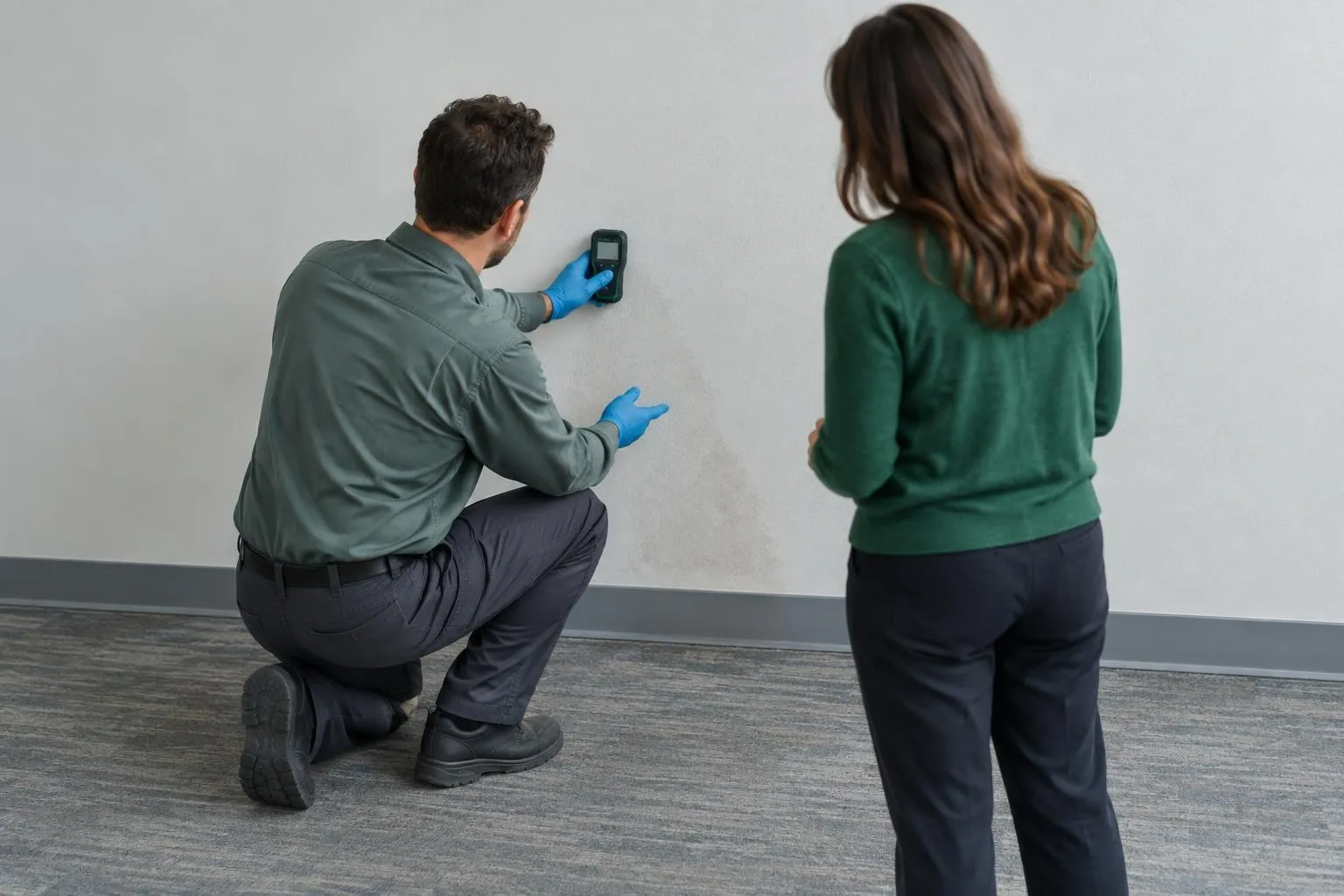
Most states don't license mold inspectors. Learn what separates qualified experts from weekend-certified amateurs before hiring.
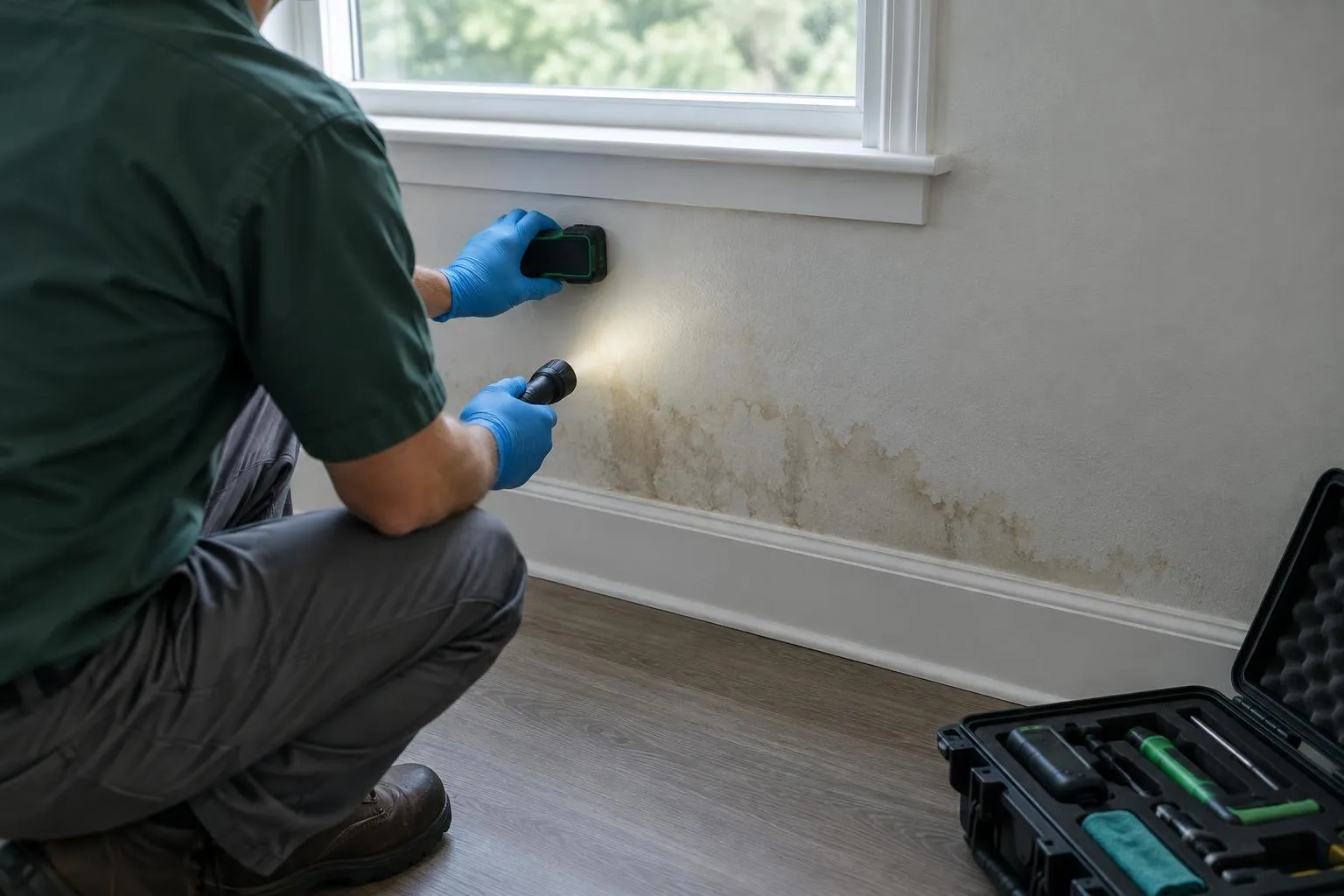
Hiring a freelance mold inspector saves thousands by avoiding inflated assessments. Learn why independence matters more than convenience.
Looking for more? Browse our full resource library or find mold inspectors in other cities.