

Office location not published
Service area: “Mold Testing, Inspection & Consulting in San Antonio”
Published service area ↗Compare curated mold inspectors, check certifications, read reviews, and request quotes — all in one place.
Map shows providers with a known office location. All providers are listed below.
No providers match this filter.
Providers with an office in the San Antonio area, matched by the ZIP code of their published address.
Based outside the San Antonio area, with San Antonio named in the service area on their own website.
Office location not published
Service area: “Mold Testing, Inspection & Consulting in San Antonio”
Published service area ↗Office location not published
Service area: “Proudly Serving Texans in the South Austin, San Antonio, Corpus Christi & The Coastal Bend”
Published service area ↗Office location not published
Service area: “Contact us for a qualified mold inspector in Boerne, San Antonio, Bandera, or Kerrville, TX.”
Published service area ↗Also in Texas: Killeen / Temple / Ft Hood area (1), Texoma area (1), Tyler / East TX area (1)
Need help choosing? Get matched with top providers in seconds.
0 providers selected
Are you a mold inspector in San Antonio? Already listed here: Argus Environmental Consultants, Inc., Clean Environments, LLC, DEKD Environmental Testing & Consulting, LLC and 3 more.
List your businessView curated providers, check certifications, and read real client reviews.
Select up to 5 providers and send your project details. Free, no obligation.
Compare quotes, check availability, and book directly with the provider.
Finding a qualified mold inspector in San Antonio is harder than it should be. You’re either staring at a Google results page stuffed with contractors who’ll upsell you on remediation the moment they find a water stain, or you’re reading certifications you don’t understand and hoping the person who shows up actually knows what they’re doing. This directory cuts through that. Below are the credentialed professionals in San Antonio who specialize in honest assessment — the kind of inspector who tells you whether you have a real problem or just a humidity issue.
Check for active credentials. CMI (Certified Mold Inspector), ACAC CMC (Council-certified Microbial Consultant), or IAC2 Indoor Air Quality certification aren’t optional — they’re the difference between someone who knows moisture mapping from someone who guesses. Look for current renewals. Expired certs mean they stopped paying for ongoing education.
Verify they don’t also do remediation. This is the conflict-of-interest trap. If the same company inspects and remediates, they have a financial incentive to find (or exaggerate) problems. A standalone inspector has no stake in the outcome — their job is accuracy, not upsell. Ask directly: “Does your company offer mold removal services?” If yes, find someone else.
Ask about sampling and lab protocols. Real assessments include visual inspection, moisture mapping with calibrated equipment, and air/surface samples sent to a third-party certified lab — not their own lab. This matters because labs they own are incentivized to report positive results. A credible inspector uses independent labs and can name the testing facility upfront.
Get a written scope before the inspection. You’re paying for a specific deliverable: a report identifying species, extent, likely cause, and remediation recommendations. Confirm in writing what’s included (visual inspection, moisture mapping, sampling, lab analysis) and what’s not. A vague estimate is a red flag.
Pro Tip: San Antonio’s humid subtropical climate and older housing stock mean plumbing leaks, roof damage, and AC condensation issues drive most mold problems. Ask the inspector if they’ve worked on homes built in your era and neighborhood. Experience with local building codes and common failure points matters.
Inspections typically run $200–$800 depending on home size, complexity, and whether sampling is included. A 2,000-square-foot home with basic visual assessment and moisture mapping lands around $300–$500. Full sampling with lab analysis adds $200–$400. Turnaround on lab results is usually 5–10 business days.
The process itself takes 2–4 hours on-site. The inspector will document moisture levels in walls, crawlspaces, and attics, photograph problem areas, collect samples if warranted, and follow up with a written report.
Reality Check: Don’t confuse “cheap” with “good.” Inspectors quoting $150 for a full assessment are either cutting corners or planning to sell you remediation. Similarly, if the report recommends immediate, expensive remediation without explaining why, get a second opinion from someone with no financial stake in the outcome.
San Antonio’s real estate market has been competitive for a decade, and lenders increasingly require mold clearance before closing — particularly for homes with any history of water damage. That’s driven legitimate demand for inspection, but it’s also attracted unlicensed operators. Stick to credentials. The Texas Department of Licensing doesn’t regulate mold inspection the way it does HVAC or electrical work, so your only safeguard is verified certifications and references.
The inspector you hire should be comfortable explaining their findings in plain language, not jargon designed to sound urgent. If they can’t explain why a crawlspace reads 65% humidity and what it means for your home, keep looking.
Mold Inspector services in San Antonio typically run $200-800 per inspection, depending on scope, complexity, and turnaround requirements. Expedited work and specialized equipment add cost.
Look for CMI — it's the credential that separates qualified mold inspectors from the rest. Also verify insurance, check reviews, and confirm they can handle your project's specific requirements.
There are currently 6 mold inspectors listed in San Antonio, TX on MoldRegistry.
Sponsored providers pay for more prominent placement on pages where they already qualify to appear. Payment does not change a provider's location, credentials or reviews, and it is not an endorsement. All providers on MoldRegistry — sponsored or not — are real businesses.
Find certified, independent mold inspectors: what to expect, how much to pay ($300–$700), and red flags to avoid before hiring.
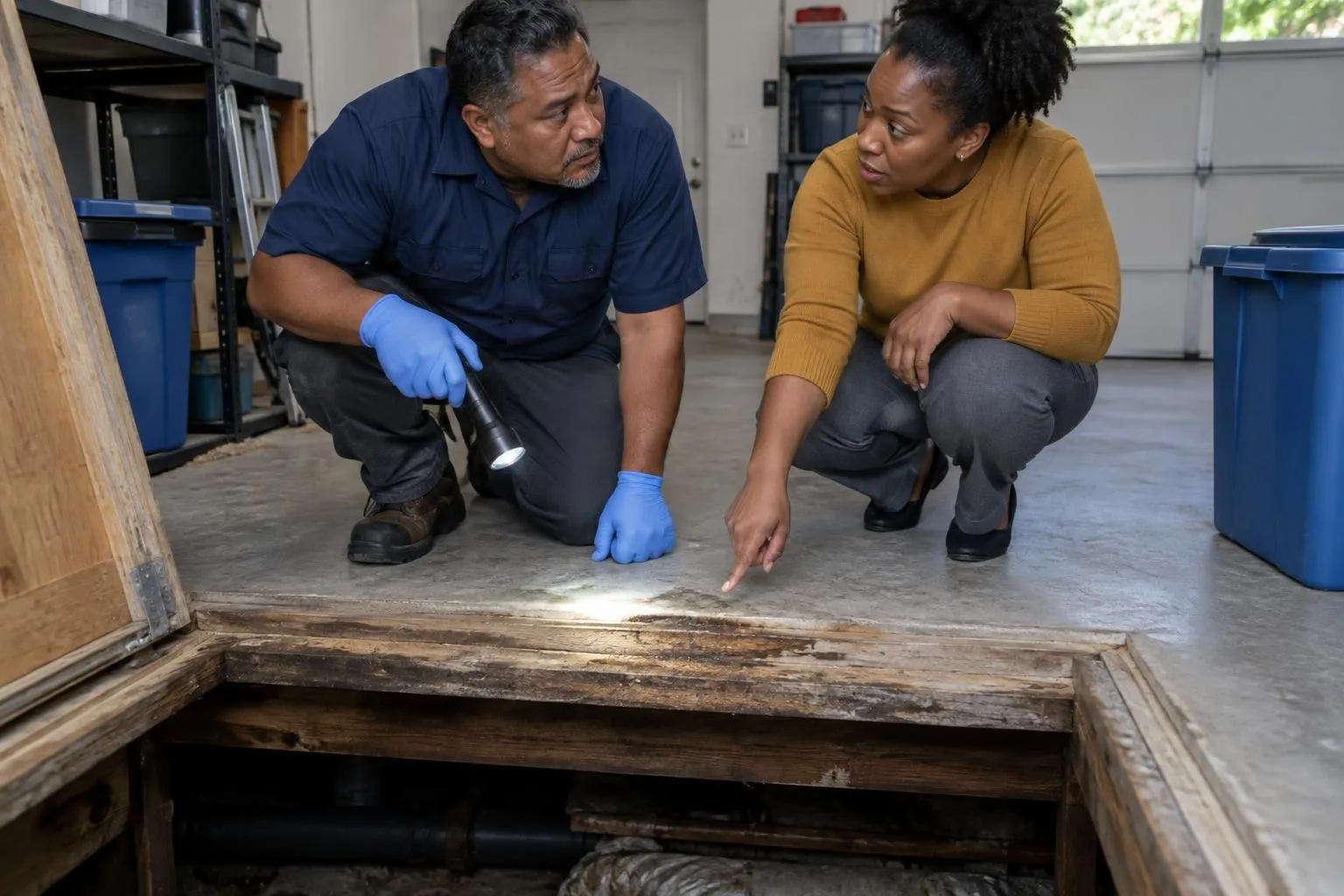
Prepare for your mold inspector visit with this homeowner's checklist to catch problems pros might miss and cut inspection time in half.
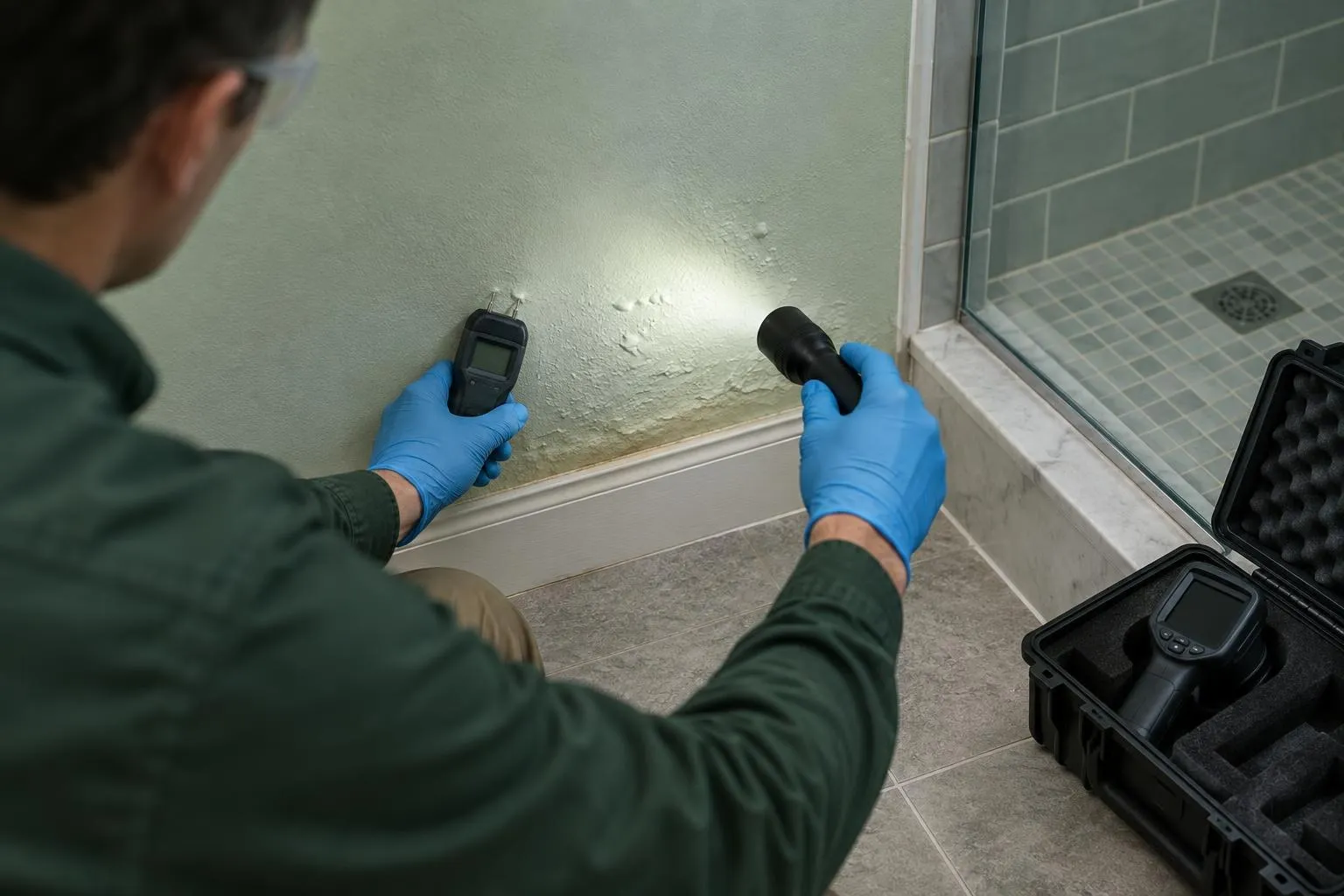
Over 50% of buildings have mold issues. A mold inspector mistake could cost thousands. See 9 critical errors that miss hidden mold—and how to avoid them.
Looking for more? Browse our full resource library or find mold inspectors in other cities.