Get free quotes from mold inspection near you
Takes about a minute. Free, no obligation; providers reply to you directly.
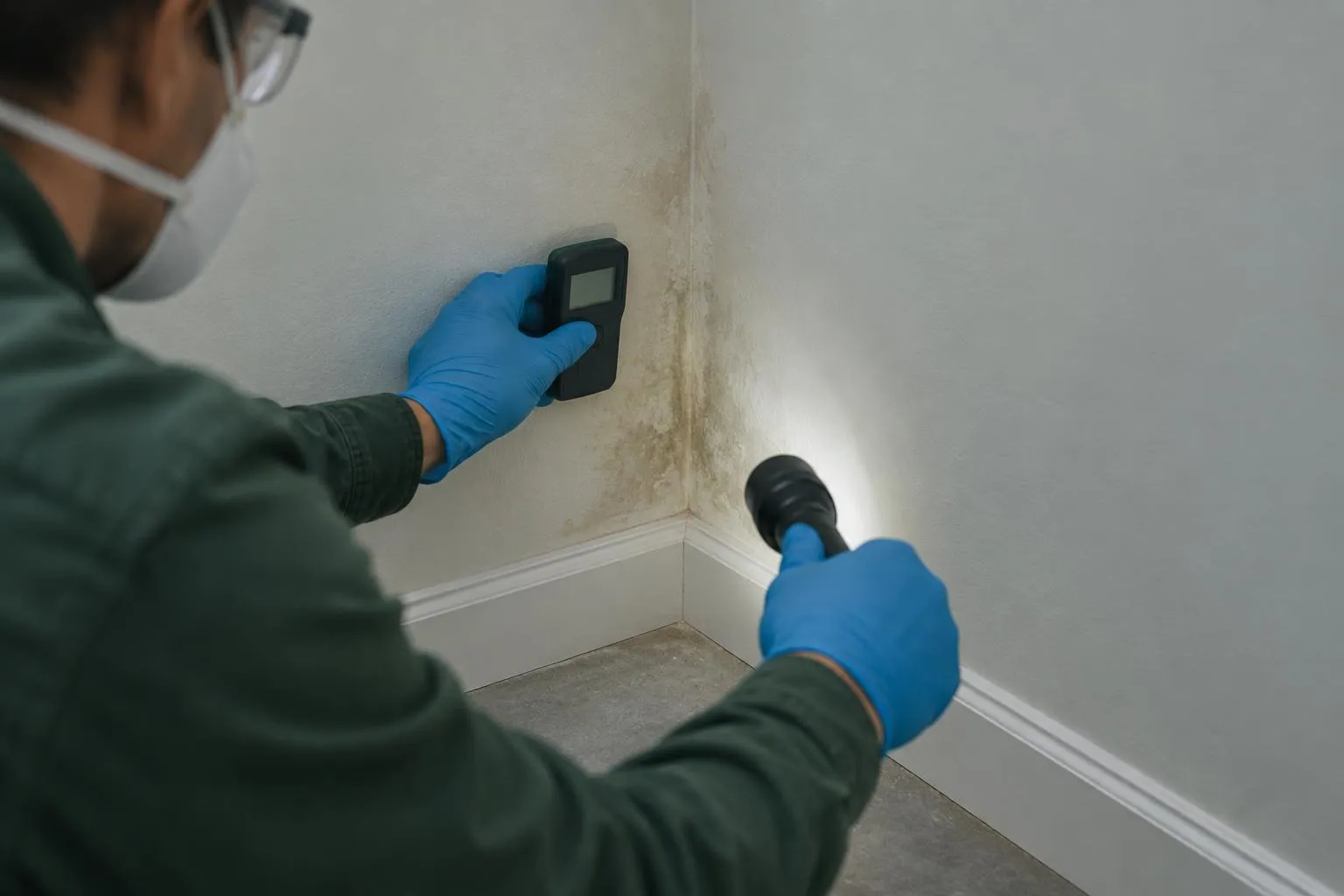
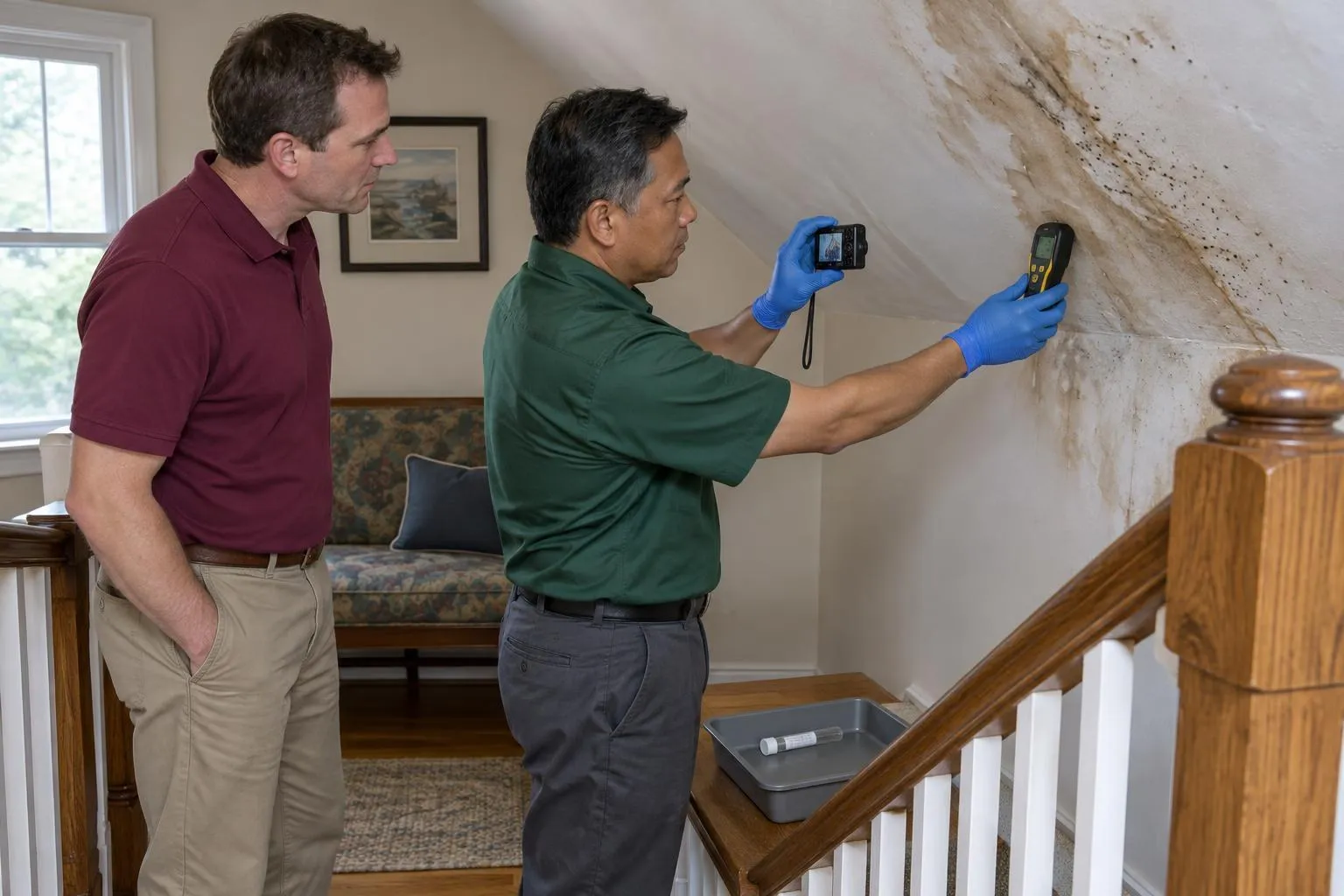
I got a call last month from a real estate agent friend who’d just listed a 1970s colonial. The inspection revealed mold in the crawlspace—not catastrophic, but enough to scare off three offers. The buyer’s inspector had spent maybe 45 minutes with a moisture meter and an air sampler. That single two-hour inspection and lab analysis? Cost the homeowner $500, killed a deal worth $380K, and made me wonder: how many inspectors are out there doing this work, and what’s the actual business look like?
Turns out, there’s a lot more money flowing through the mold inspection world than most people realize. And the growth trajectory? It’s not slowing down.
The Short Version
The global mold detection market is projected to hit $1.38 billion by 2026, with mold assessment services alone at $590.75 million by 2032 (growing at 7.5% annually). North America dominates with 38.4% market share. The U.S. leads globally at 22.7%, driven by stricter building codes, health awareness, and the aftermath of extreme weather events. Nobody’s counting exact practitioner numbers, but the growth rate tells you there’s more demand than supply right now.
Key Takeaways
- Market size is expanding fast: Mold assessment services jumped from $320.45M in 2024 to a projected $590.75M by 2032—that’s a 7.5% annual growth rate.
- North America is the economic engine: The U.S. and Canada account for over 38% of the global market, with the U.S. alone at 22.7%.
- Regulations and health awareness are the real drivers: New building codes, school mandates, and post-flood demand are creating a steady stream of work.
- Air sampling dominates the field: 44.6% of assessment work centers on air quality testing, which means it’s the bread-and-butter skill for most inspectors.
Why the Market Is Growing (And Faster Than You’d Expect)
Here’s what most people miss: the mold inspection boom isn’t really about mold. It’s about three converging forces that are creating relentless demand.
First, water damage is getting worse. Historic storms, aging infrastructure, and unpredictable weather patterns have made water intrusion a permanent feature of homeownership. Every plumbing leak, roof failure, or basement flood triggers an inspection. The global mold remediation market (which runs parallel to inspection) hit $1.27 billion in 2024 and is projected to reach $1.52 billion by 2030—growing at 3.0-3.1% annually. That’s your baseline demand signal.
Second, regulations are tightening everywhere. Europe, North America, and increasingly Asia have mandated mold inspections for schools, healthcare facilities, and commercial buildings. The U.S. has particularly strict protocols in educational settings and hospitals. These aren’t optional—they’re mandated checks. That’s recurring revenue built into the system.
Reality Check:Most homebuyers still skip mold inspections to “save money” during a purchase. Then they pay 10x more later when mold gets into framing. The market is still in early adoption mode. As insurance companies and lenders tighten lending standards around mold risk, that calculus shifts fast.
Third, people are finally taking indoor air quality seriously. Post-pandemic, there’s been a measurable uptick in health awareness. Allergies, asthma, and respiratory issues are increasingly linked to mold exposure in medical literature. Parents are demanding safer schools. Office managers are upgrading HVAC systems. This creates a baseline of preventive inspections that didn’t exist five years ago.
Where the Money Is (By Region)
| Region | Market Share | Key Driver | Growth Pattern |
|---|---|---|---|
| North America | 38.4% (assessment); 33%+ (remediation) | Regulations, health awareness, weather events | Steady 3-7% annually |
| United States | 22.7% (largest single country) | School/healthcare mandates, pre-purchase inspections | 7.5% CAGR through 2032 |
| Europe | Growing (no % specified) | Strict building codes, air quality standards | Emerging opportunity |
| Asia Pacific | Second-tier for remediation | New construction boom, regulatory catch-up | Fastest growth potential |
The U.S. is where the money is right now. But Asia Pacific is the watch-list. As China, India, and Southeast Asia tighten building standards and water damage becomes more common with climate shifts, that’s where the growth accelerates fastest.
North America’s dominance is structural—not because the problem is worse there, but because regulations and buyer expectations are already baked into the market. You can’t sell a commercial property in most U.S. cities without an environmental assessment. That’s a built-in revenue stream that other regions are still adopting.
The Breakdown: What Services Actually Generate Revenue
Here’s where the data gets granular—and where it matters for anyone thinking about this industry.
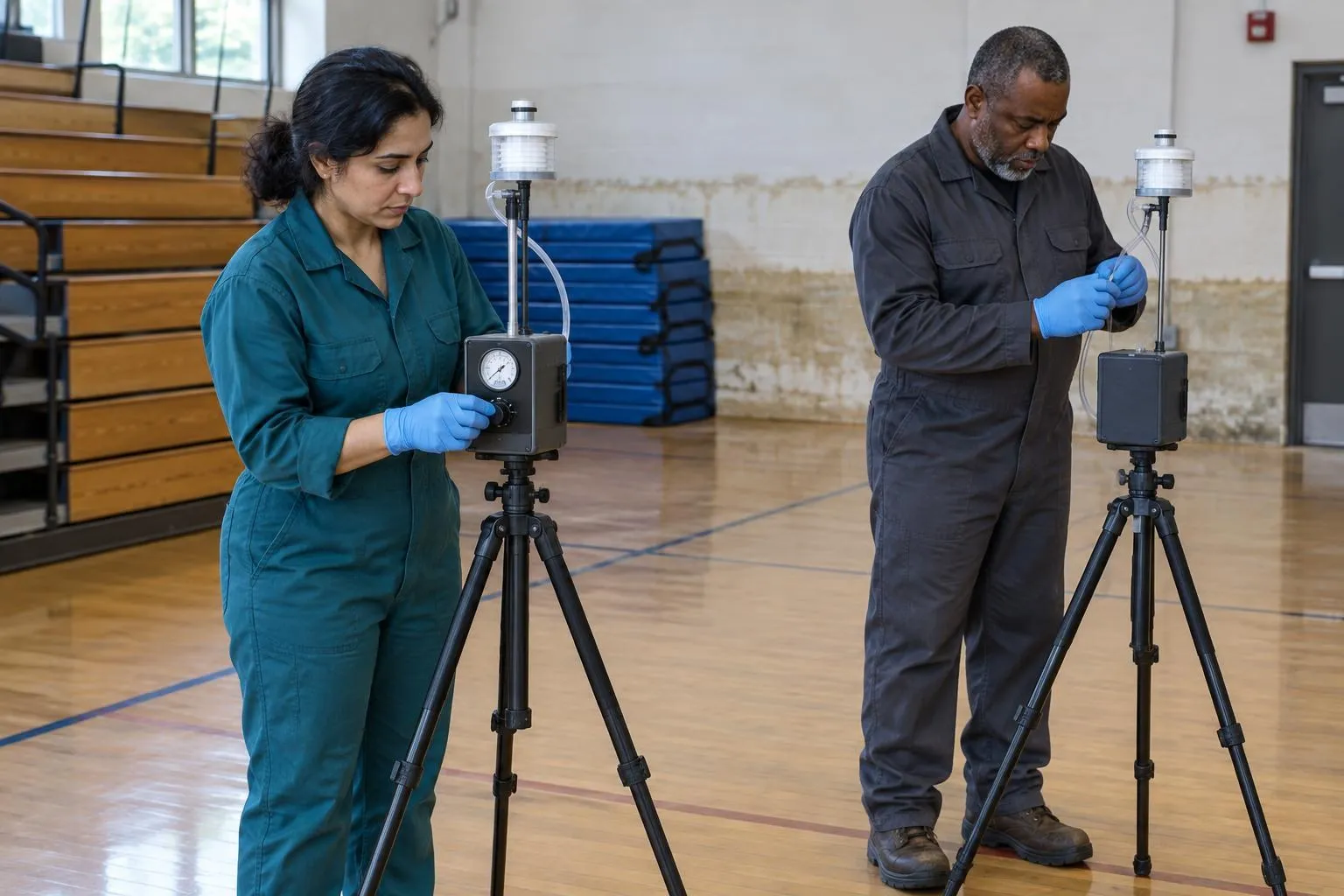
Air sampling owns the field. It accounts for 44.6% of all mold assessment revenue. This is the standard service: deploying air quality monitors, collecting samples, sending them to a lab for analysis. It’s repeatable, defensible, and easy to scale. If you’re starting as an inspector, this is your bread and butter.
The rest breaks down across:
- Visual inspections (moisture mapping, thermal imaging with infrared cameras)
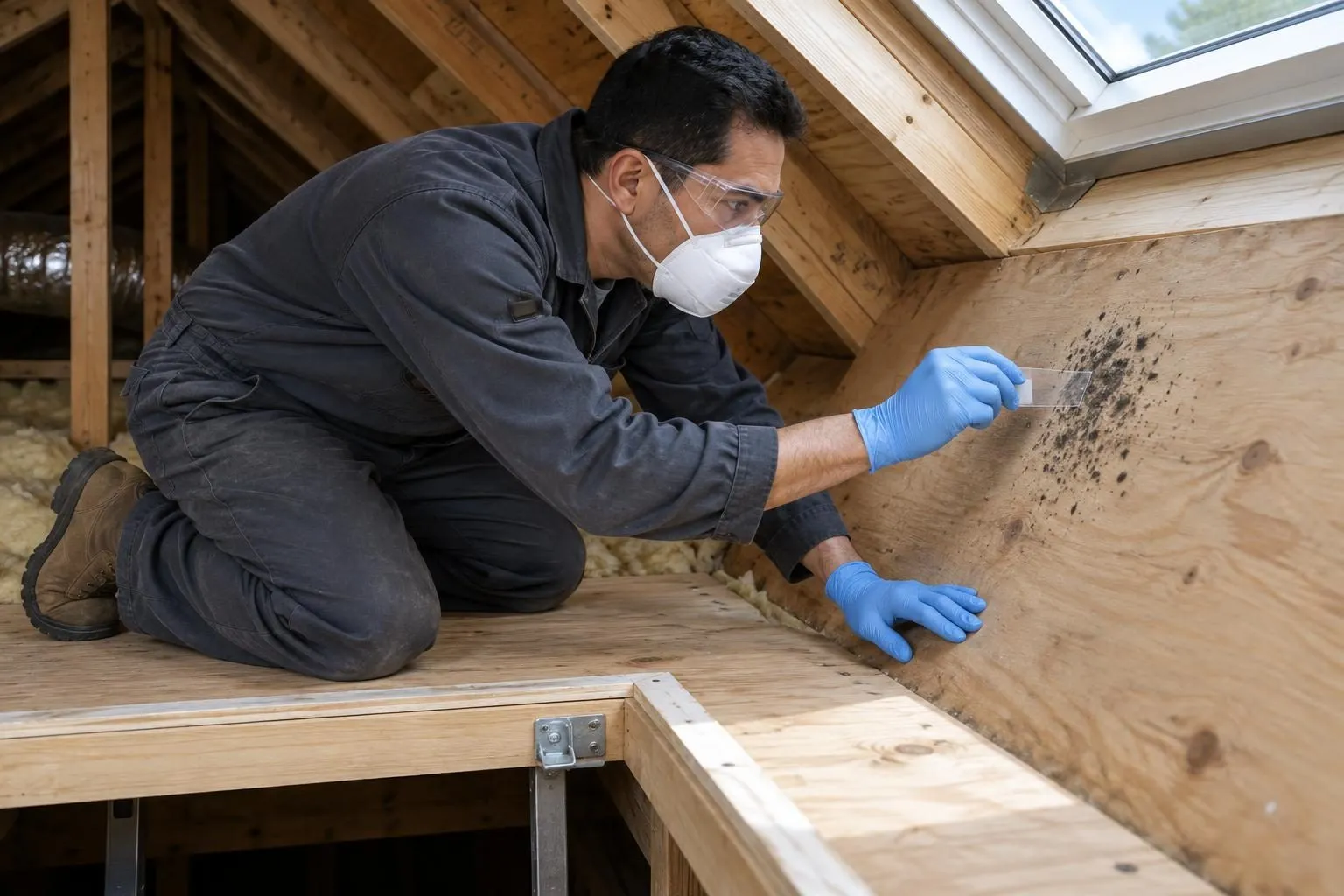
- Surface sampling (tape lifts, swabs, bulk samples from suspected areas)
- Lab analysis (including new DNA-based identification methods that cut turnaround time in half)
The tech stack matters. Inspectors who invest in infrared cameras, high-quality moisture meters, and HEPA filtration systems charge more and close jobs faster. These tools aren’t just nice-to-have—they’re the difference between a $400 inspection that takes three days and a $700 inspection that’s done in two hours.
Pro Tip:DNA-based mold testing is the future. Instead of waiting 7-10 days for traditional lab cultures, DNA analysis returns results in 24-48 hours. It costs slightly more upfront, but it lets you close the inspection loop faster and upsell remediation referrals before the client forgets they hired you.
The Market Size Projection (And Why the Numbers Vary)
You’ll see different projections depending on the research firm. Here’s why: they’re measuring slightly different things.
Mold Detection/Assessment specifically is projected to hit $1.38 billion globally by 2026. That’s inspection and air quality testing—the work mold inspectors do directly.
Mold Assessment services (a narrower slice) are at $320.45 million in 2024 and climbing to $590.75 million by 2032 at a 7.5% compound annual growth rate. The discrepancy is because the first number includes broader “detection services” while the second is pure assessment work.
For context, mold remediation (the cleanup work) is a separate $1.27-1.34 billion market growing at 3.0-3.9% annually. Inspectors often refer this work to remediators and sometimes take a finder’s fee, but it’s not their primary revenue.
The bottom line: if you’re thinking about the inspection side specifically, you’re looking at a $590M-1.38B market depending on how it’s sliced, with North America representing 38%+ of that revenue.
Reality Check:Nobody has a definitive count of how many mold inspectors exist in the U.S. The Bureau of Labor Statistics doesn’t break out mold inspection as its own category. But the market projections imply there’s more demand than supply right now—which means new entrants aren’t competing for scraps.
What’s Changing in 2024-2026
Digital tools are table stakes now. Moisture meters that sync to cloud reporting, infrared cameras with AI-assisted analysis, and drone-based roof inspection are becoming standard equipment. The inspectors upgrading their toolkit are pulling jobs from those who aren’t.
Health mandates are expanding. Beyond schools and hospitals, commercial office buildings are now requiring annual mold assessments as part of tenant safety protocols. That’s a recurring revenue stream that flips from “one-time inspection” to “annual contract.”
Pre-purchase inspections are rising. As buyers get smarter about water damage and its long-term costs, more are bundling mold assessment into their standard home inspection. This creates volume for inspectors who can integrate into existing home inspection businesses.
Regulations are getting tighter. The EPA and state-level building codes keep raising the bar for acceptable mold levels and inspection frequency. This favors professionals with credentials (CMI, ACAC CMC/CMRS certifications) over generalists.
Practical Bottom Line
If you’re thinking about entering this field or scaling a mold inspection business, here’s what the numbers tell you:
1. Demand is accelerating. The market is growing at 7.5% annually in assessment services alone. That’s not a fad—it’s structural demand driven by regulations and climate realities.
2. North America is the prize. If you’re based in the U.S. or Canada, you’re already in the 38%+ of the global market that accounts for the most revenue. Don’t look international until you’ve saturated your region.
3. Air sampling is your foundation, but tech is your advantage. Master air quality testing first—it’s 44.6% of the market. Then layer in infrared imaging and moisture mapping to differentiate and upsell.
4. Get credentialed. The inspectors winning contracts are the ones with CMI or ACAC certifications. That’s not just nice-to-have—it’s becoming table stakes as regulations tighten.
5. Build referral relationships with remediators. You won’t make money on remediation (that’s their business), but you can negotiate finder’s fees on cleanup jobs. In high-volume markets, that’s 15-25% of your total income.
For a deeper dive into the actual mechanics of mold inspection work—how to build a service, what certifications matter, and how to structure pricing—check out the Complete Guide to Mold Inspectors.
The market is real. The growth is measurable. The opportunity window is open. What matters now is execution.
Done reading? Get quotes from mold inspectors near you.
Takes about a minute. Free, no obligation; providers reply to you directly.
Popular cities:
Nick built this directory to help homeowners find credentialed mold inspectors without wading through contractors who mostly want to sell remediation — a conflict of interest he ran into when trying to assess his own home after a plumbing leak.